
Infections in childhood can occur as a result of multiple factors. Among them are sociological factors-prenatal care, mother’s age, high-risk behavior of the pregnant woman, tests for congenital infections-and environmental factors-season of the year, insects and animals, travel, etc.
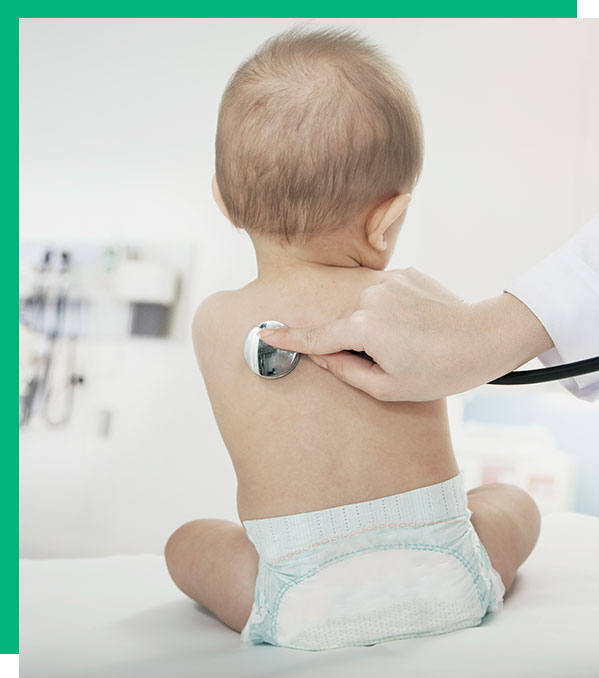
A complete and thorough physical examination is essential for diagnosing infectious diseases. It allows the organism causing said infection to be identified in many cases. Irritability, lethargy, or physical findings, such as rashes, may indicate an infection in children. Recognizing the site of infection through careful physical examination is necessary.

One of the most outstanding achievements of pediatrics has been preventing many infectious diseases through vaccines administered during the first years of life. The efficacy of these vaccines is evident in the population since cases of some diseases that were once frequent causes of morbidity and mortality are rarely seen. Such infectious diseases include polio, tetanus, and whooping cough. However, for these vaccines to be effective, they must be administered following established guidelines according to the patient’s age and the vaccination model.
When parents take their children to the pediatrician for vaccinations, questions or concerns about vaccinations may arise. A close and professional relationship between the family and the pediatrician is essential for them to be answered satisfactorily. This helps to ensure the well-being and health of the pediatric patient.
Vaccination is perhaps one of the simplest and most effective measures a parent can take to contribute to the health and well-being of their children. Don’t neglect something so important. And remember that prevention is the best medicine.